Where the River Meets the Sky
Human civilization has long settled and moved along rivers. Waterways not only meet basic needs but shape spatial structures and daily rhythms. Yet as cities expand,rivers have been reshaped by infrastructure, capital, and control—relegated to the background of urban life.
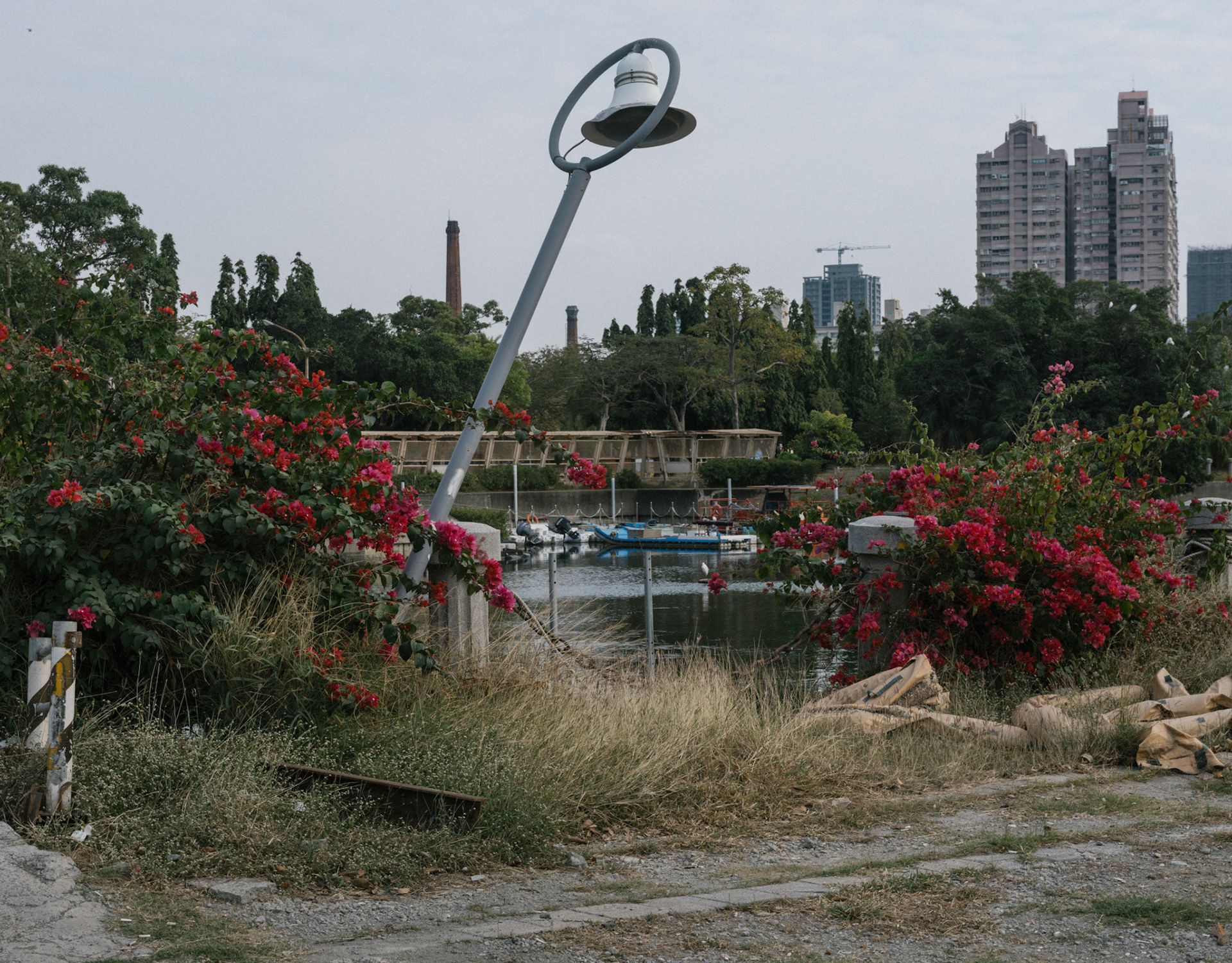
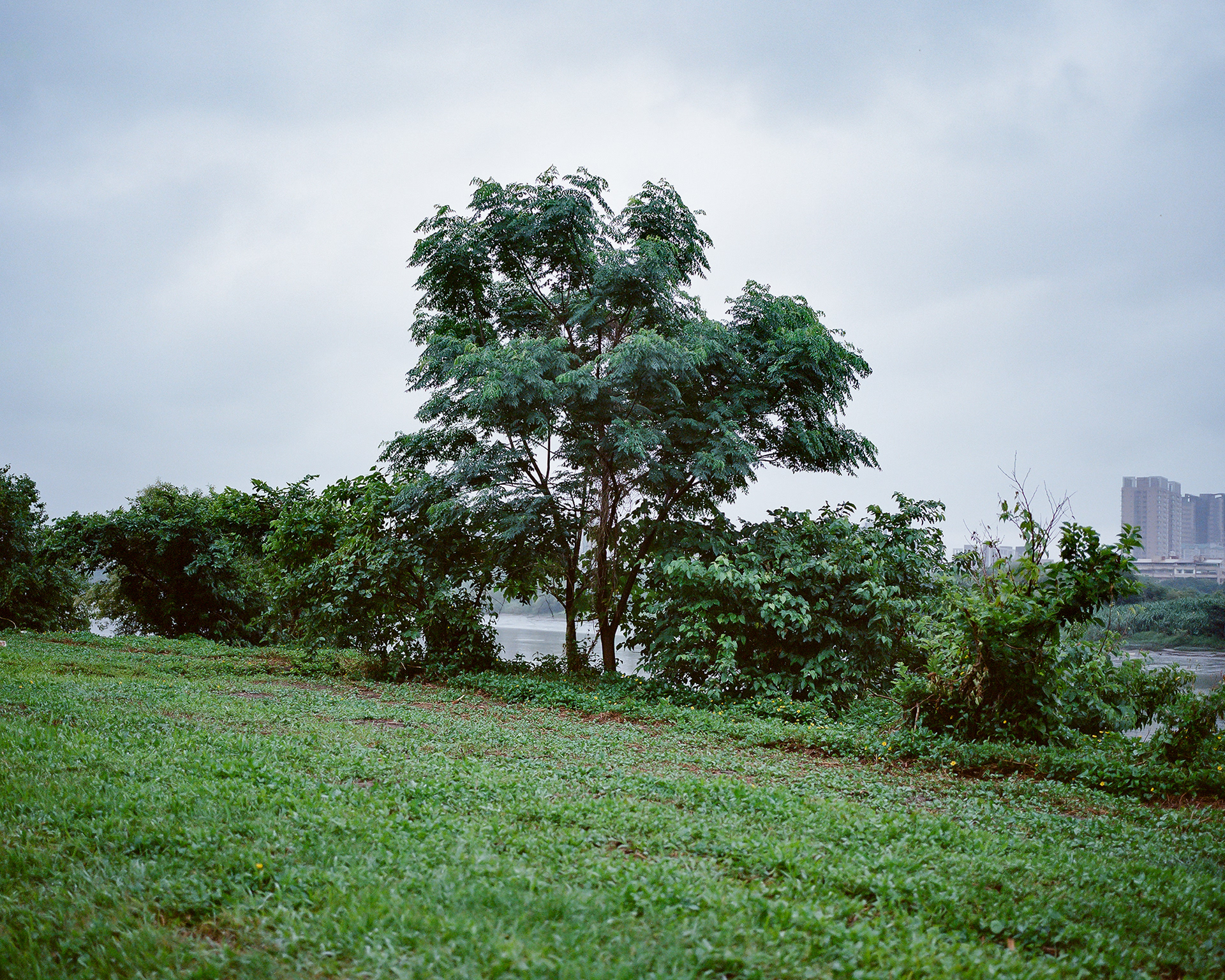
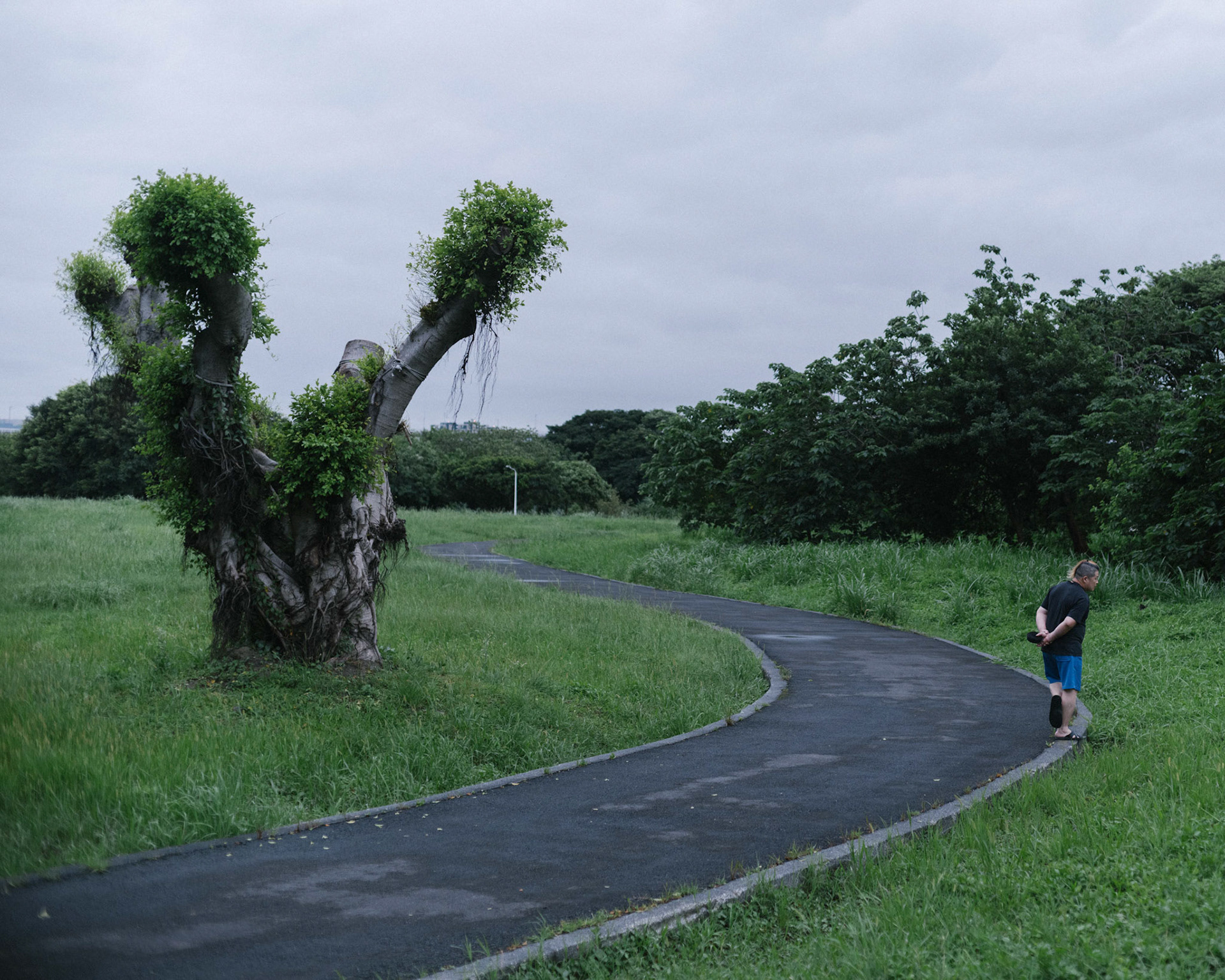
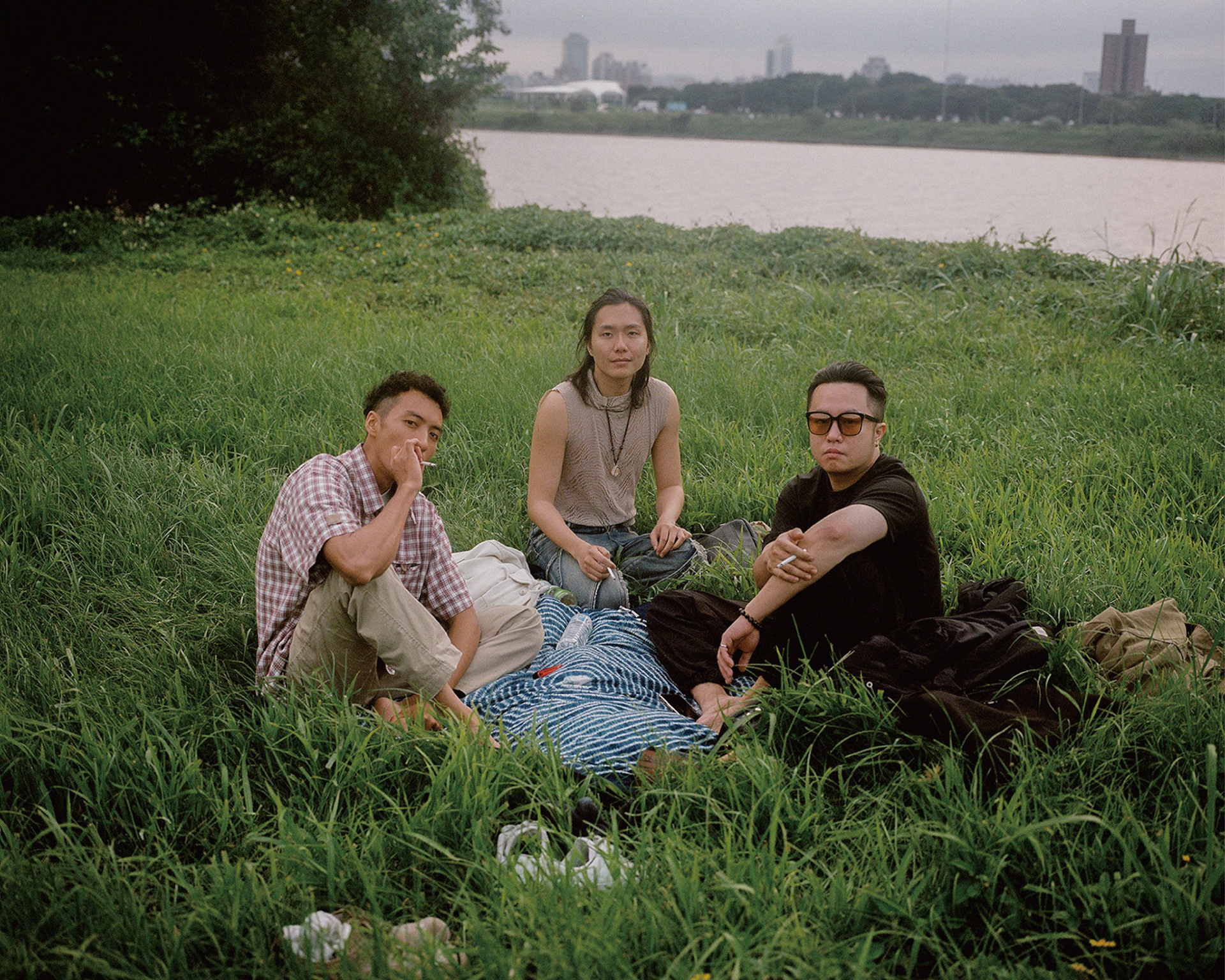
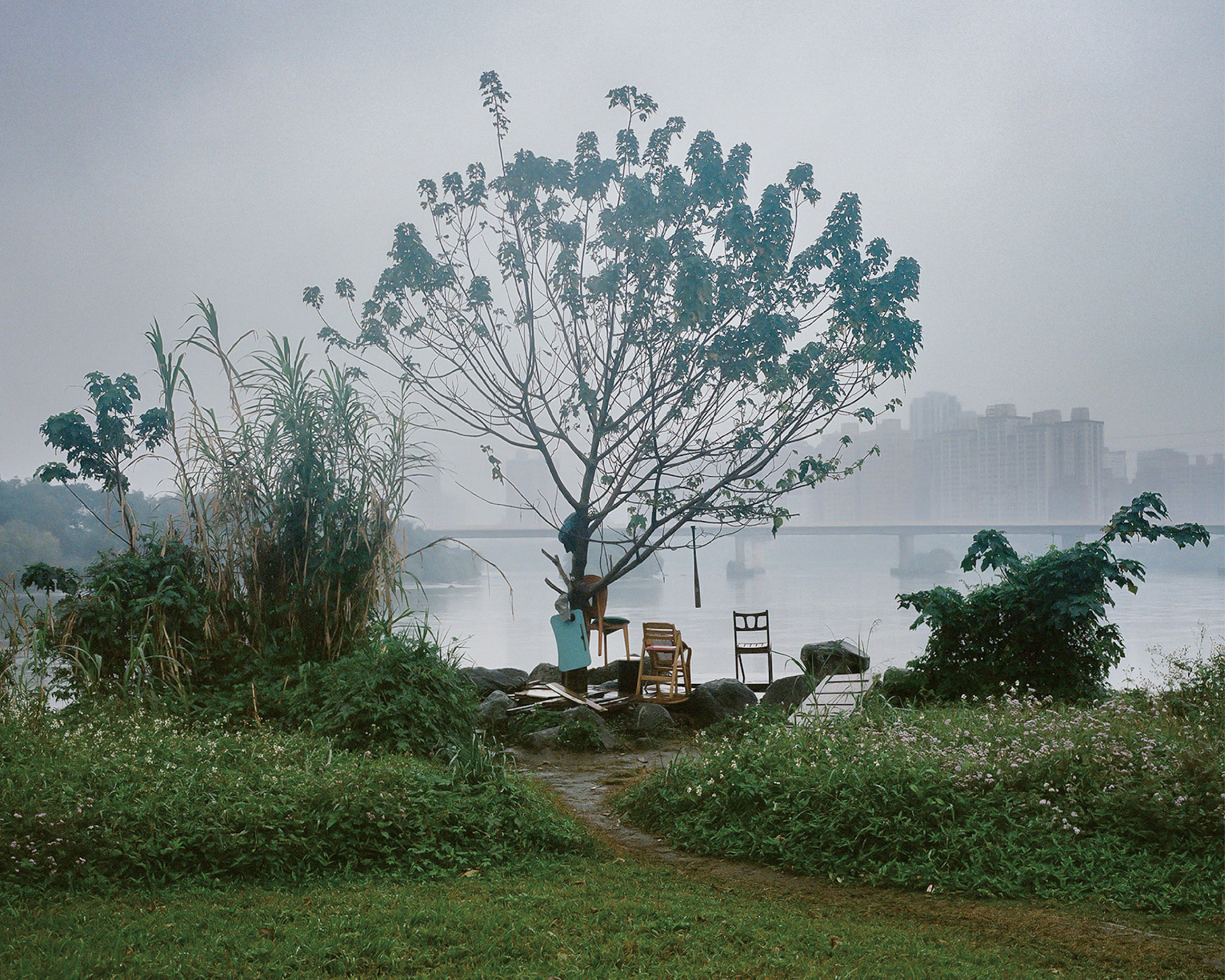
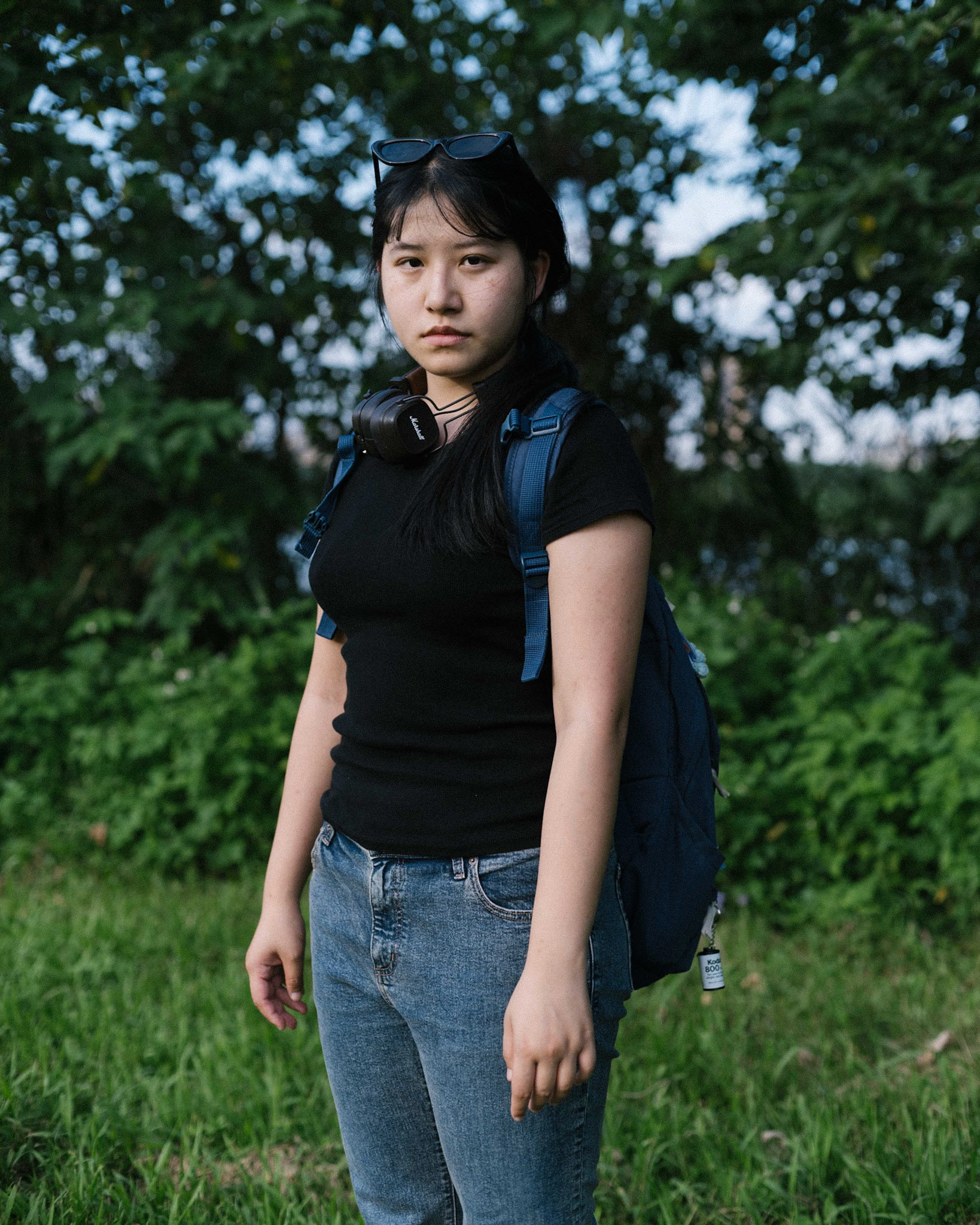
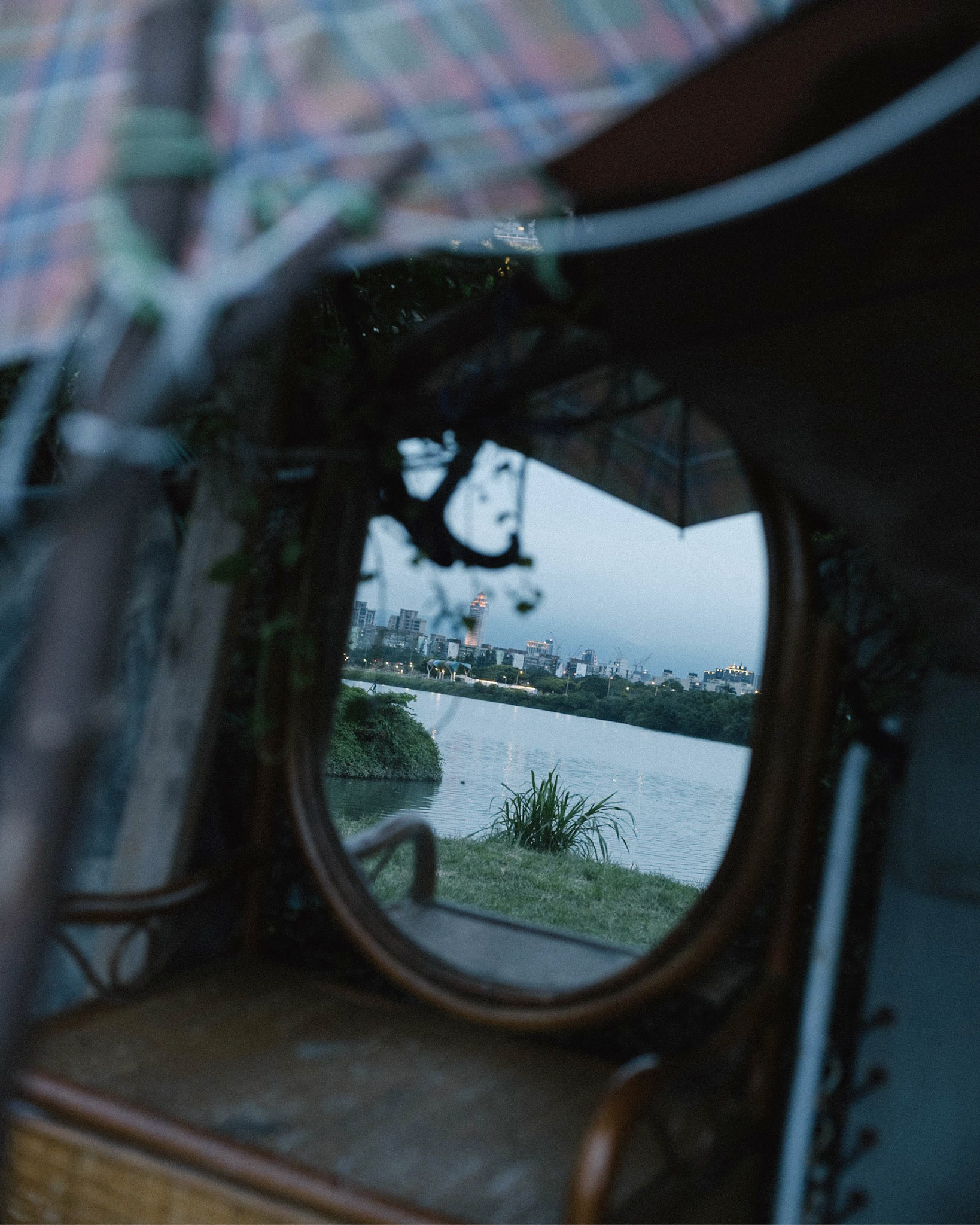
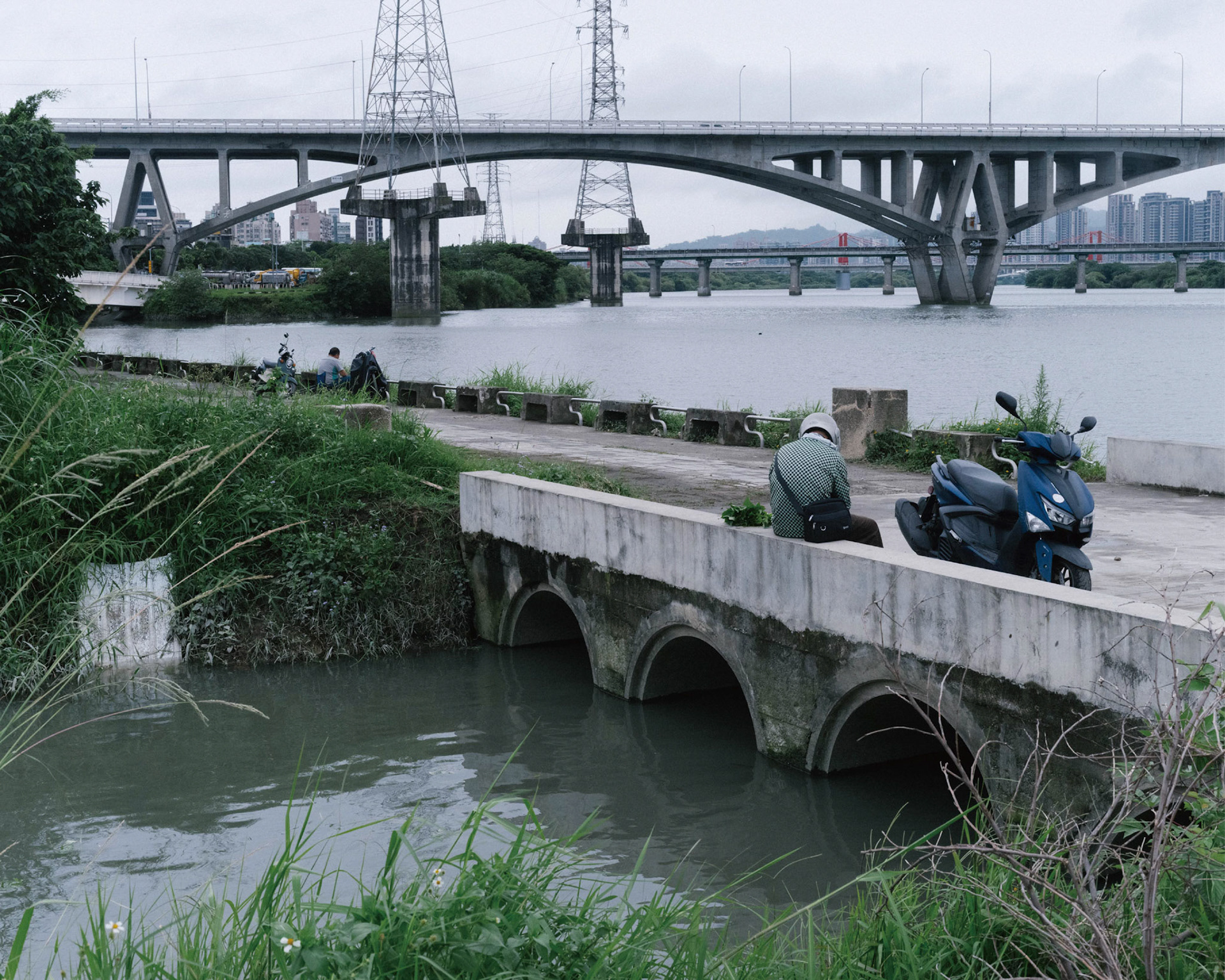
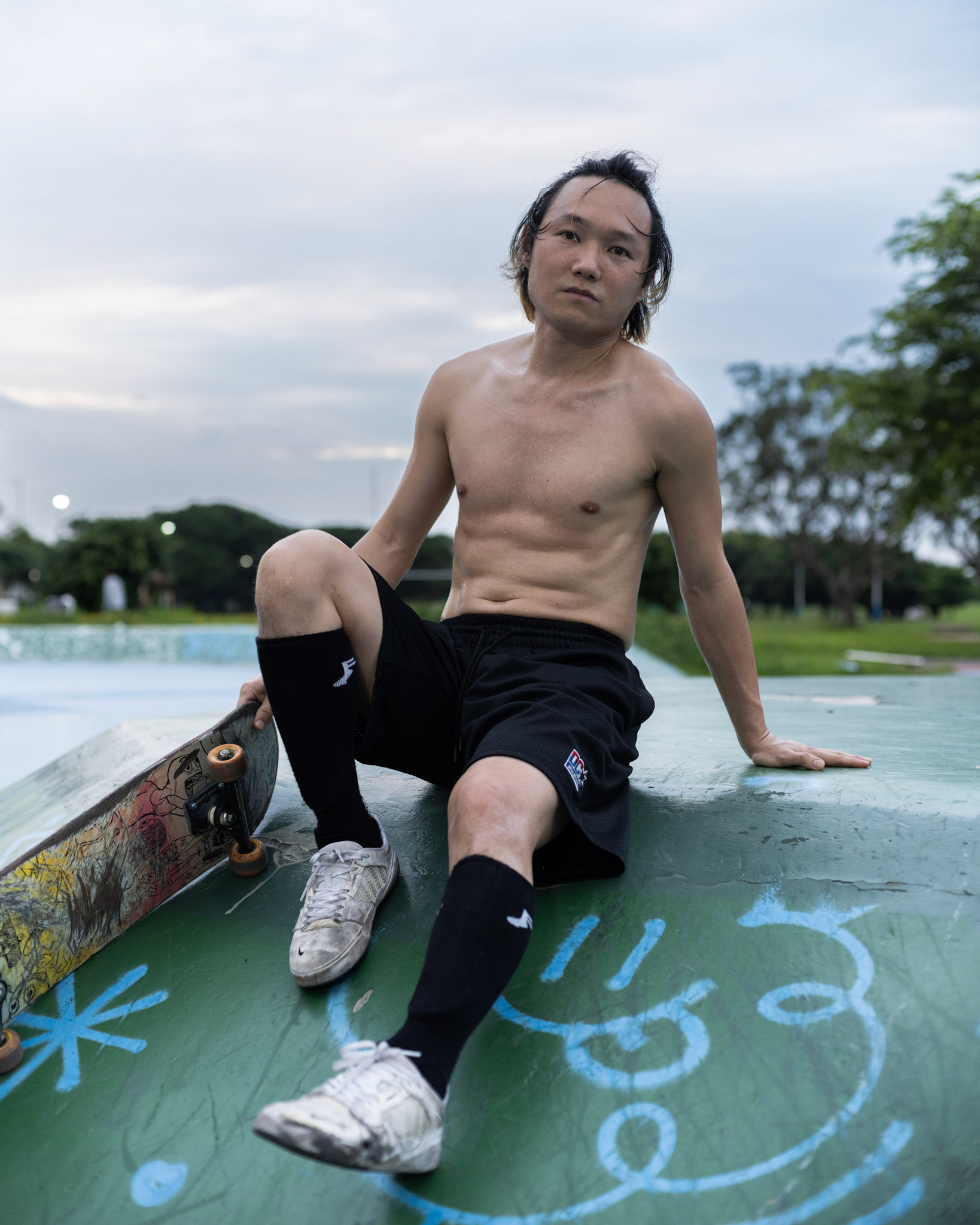
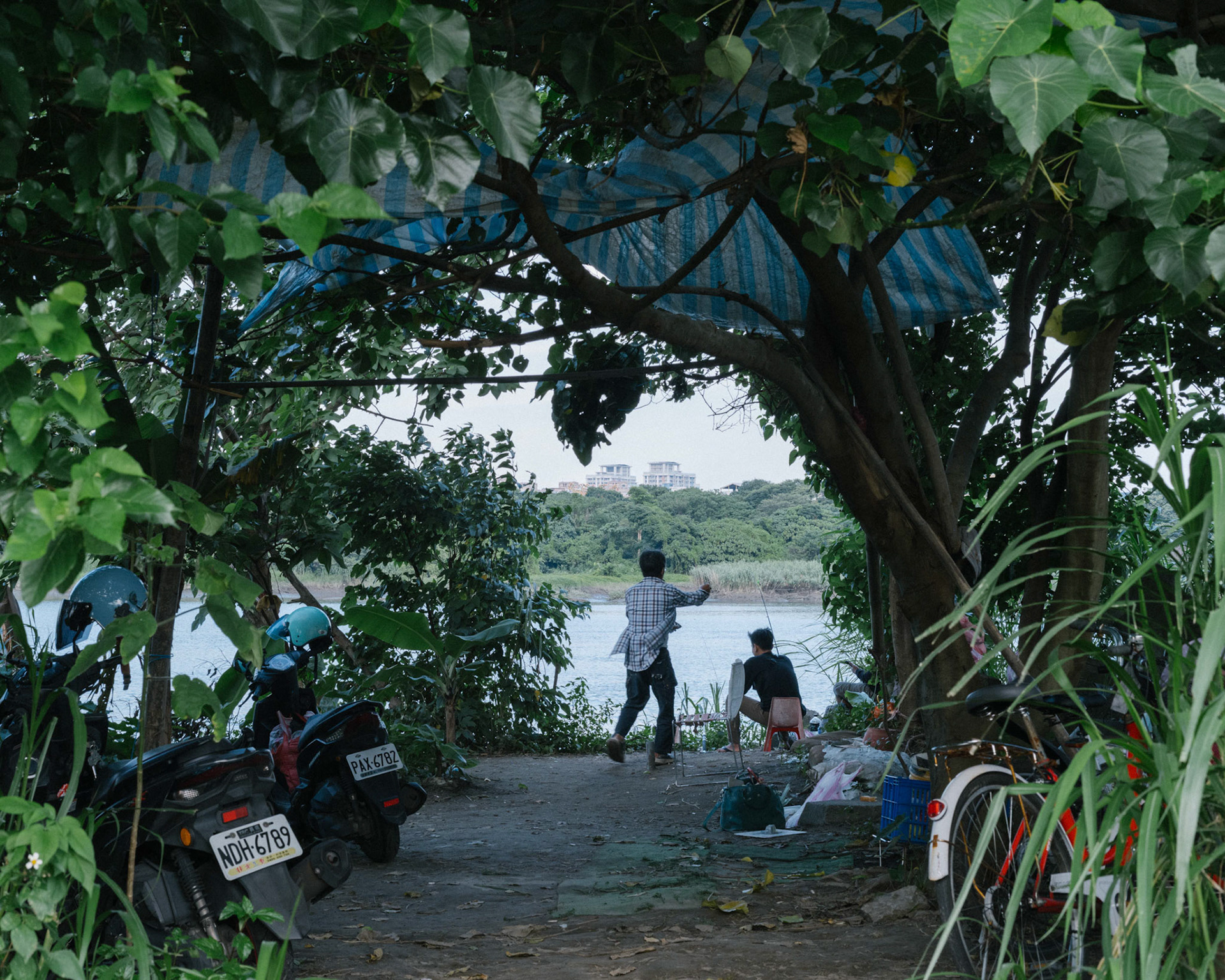
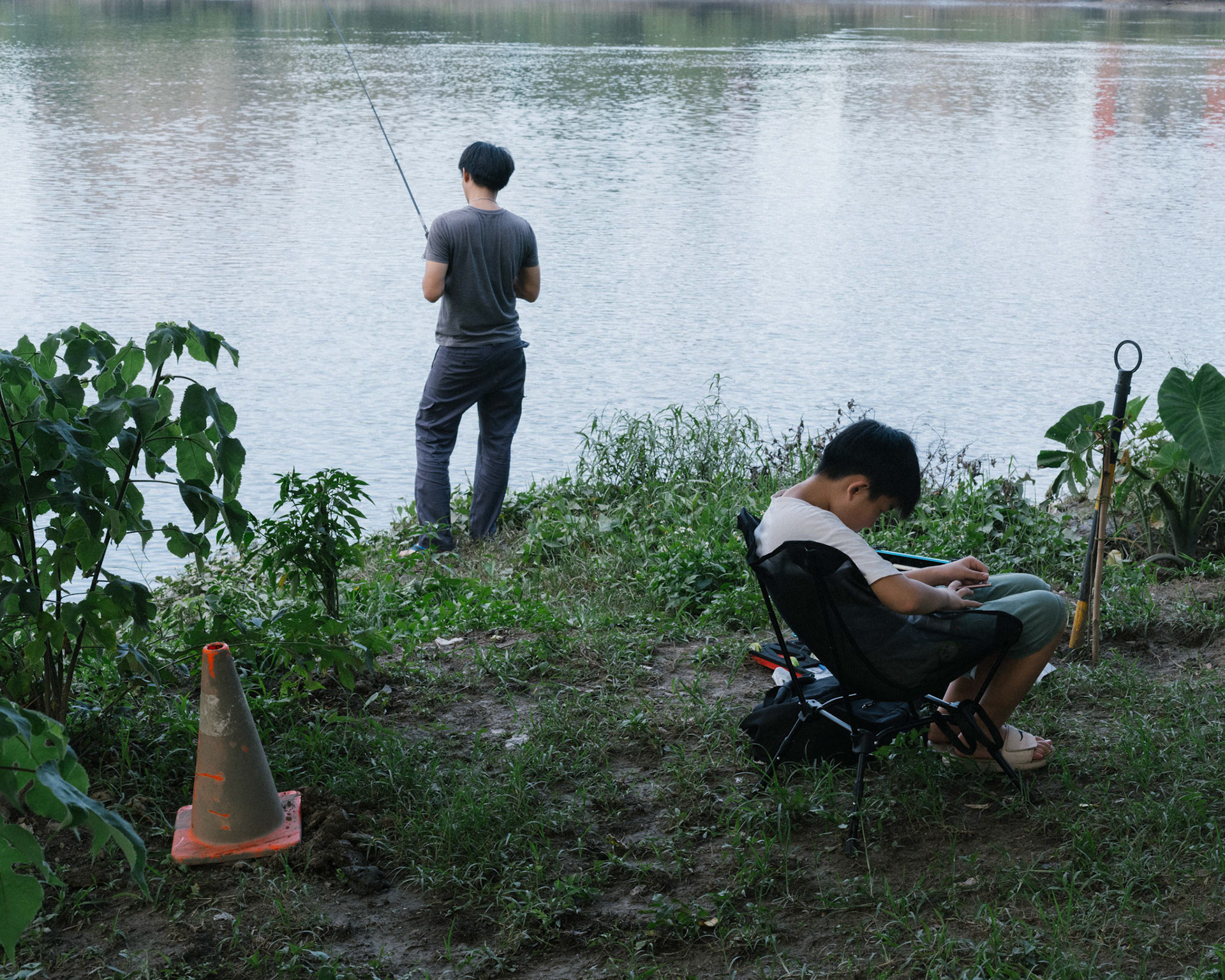
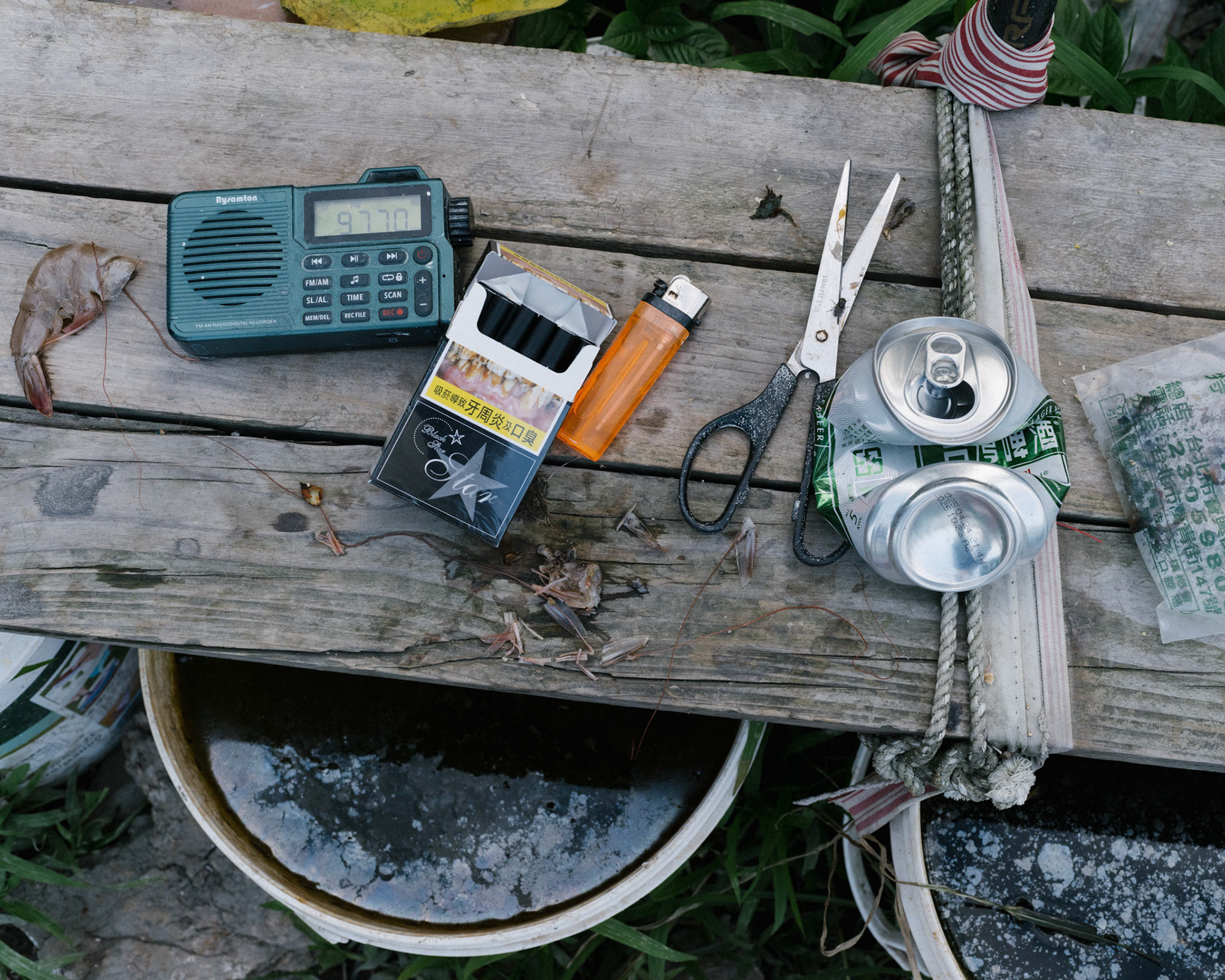
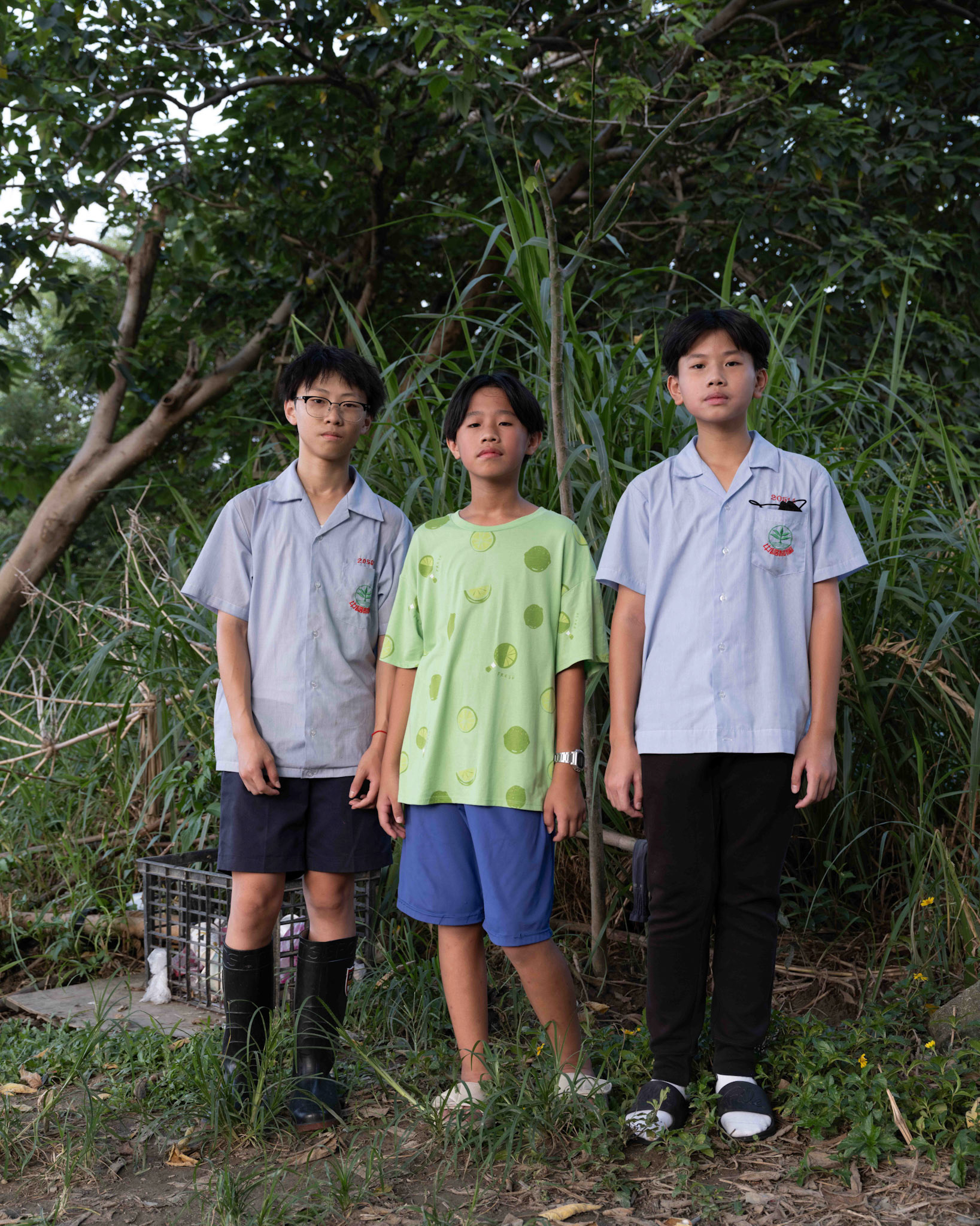
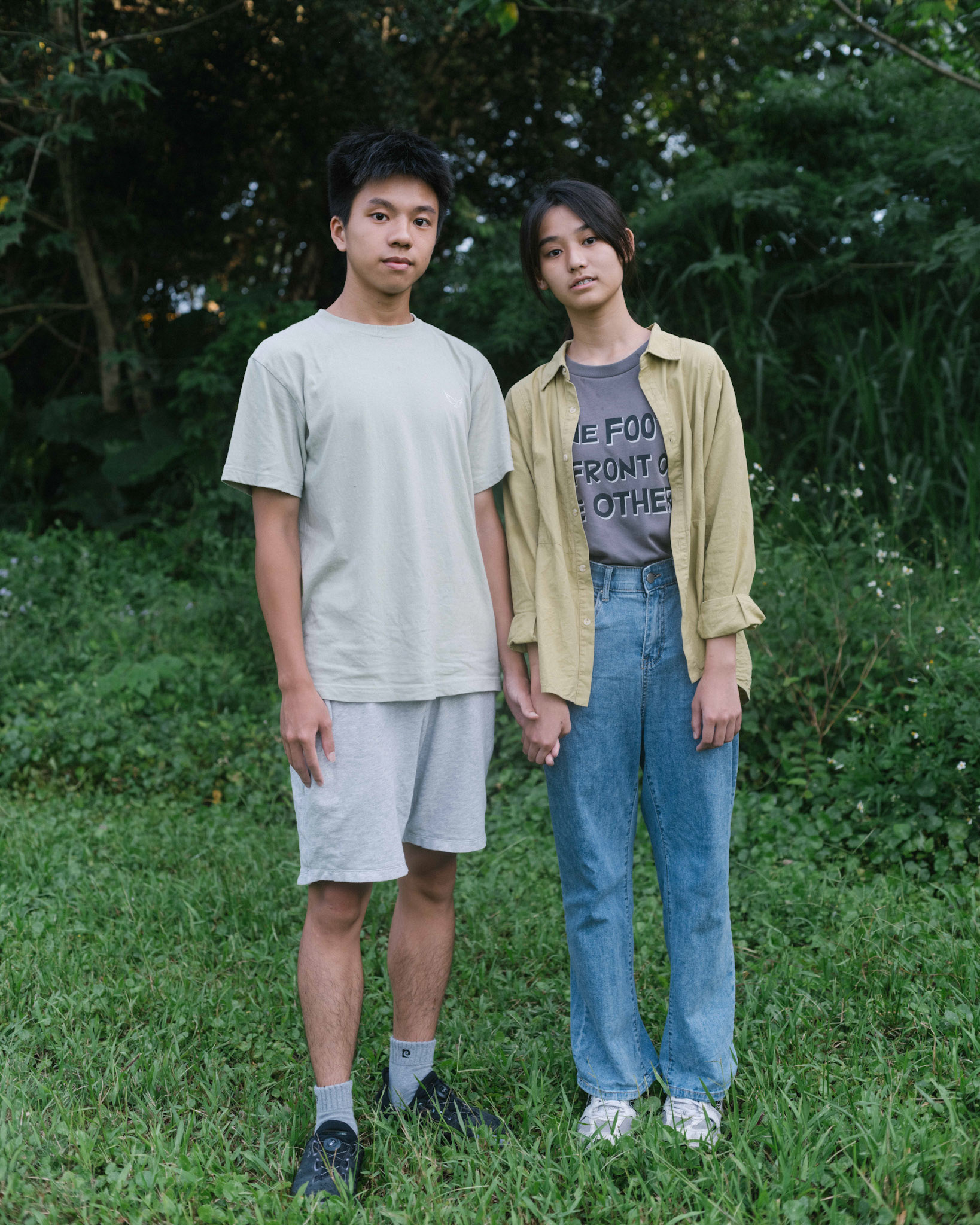
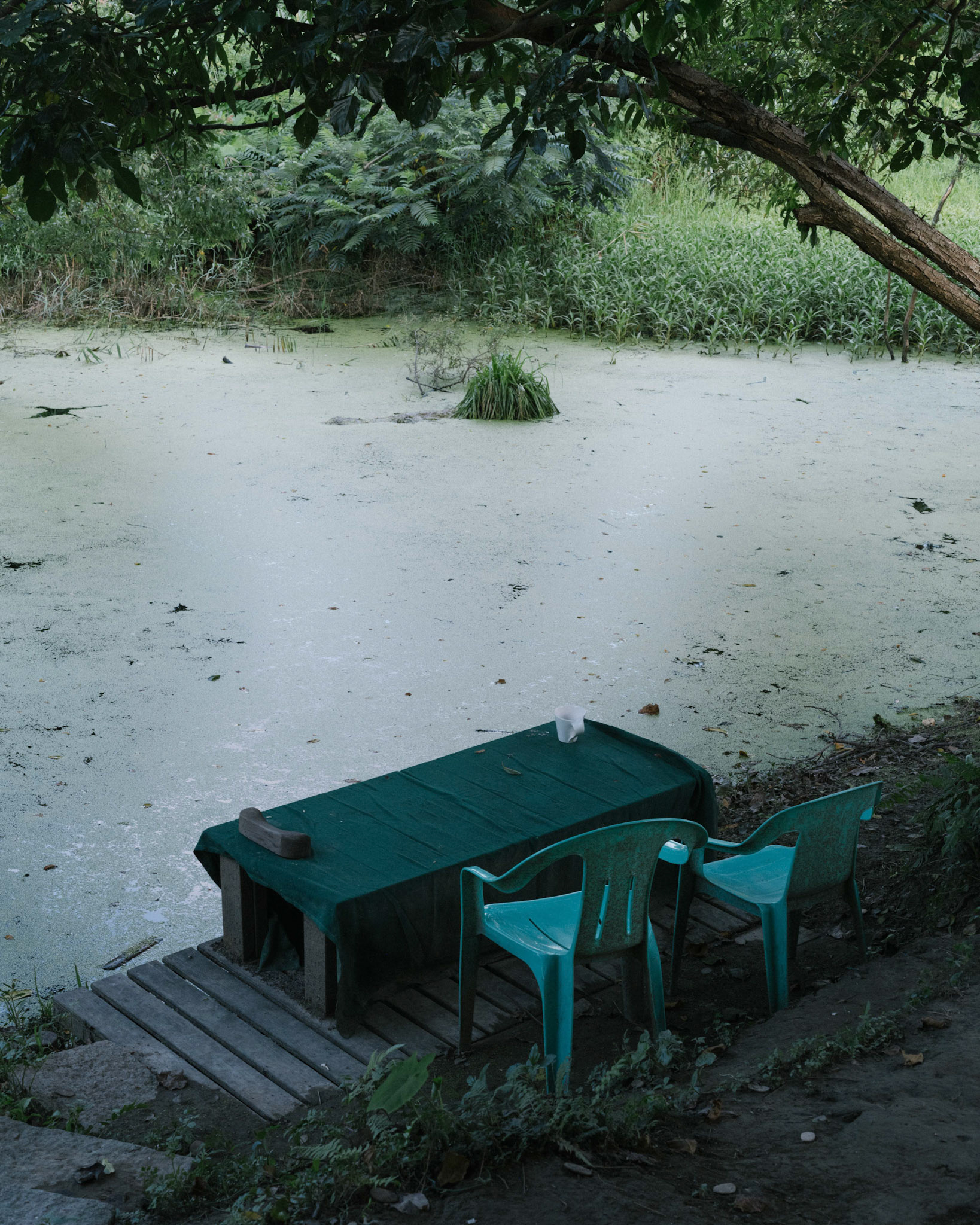
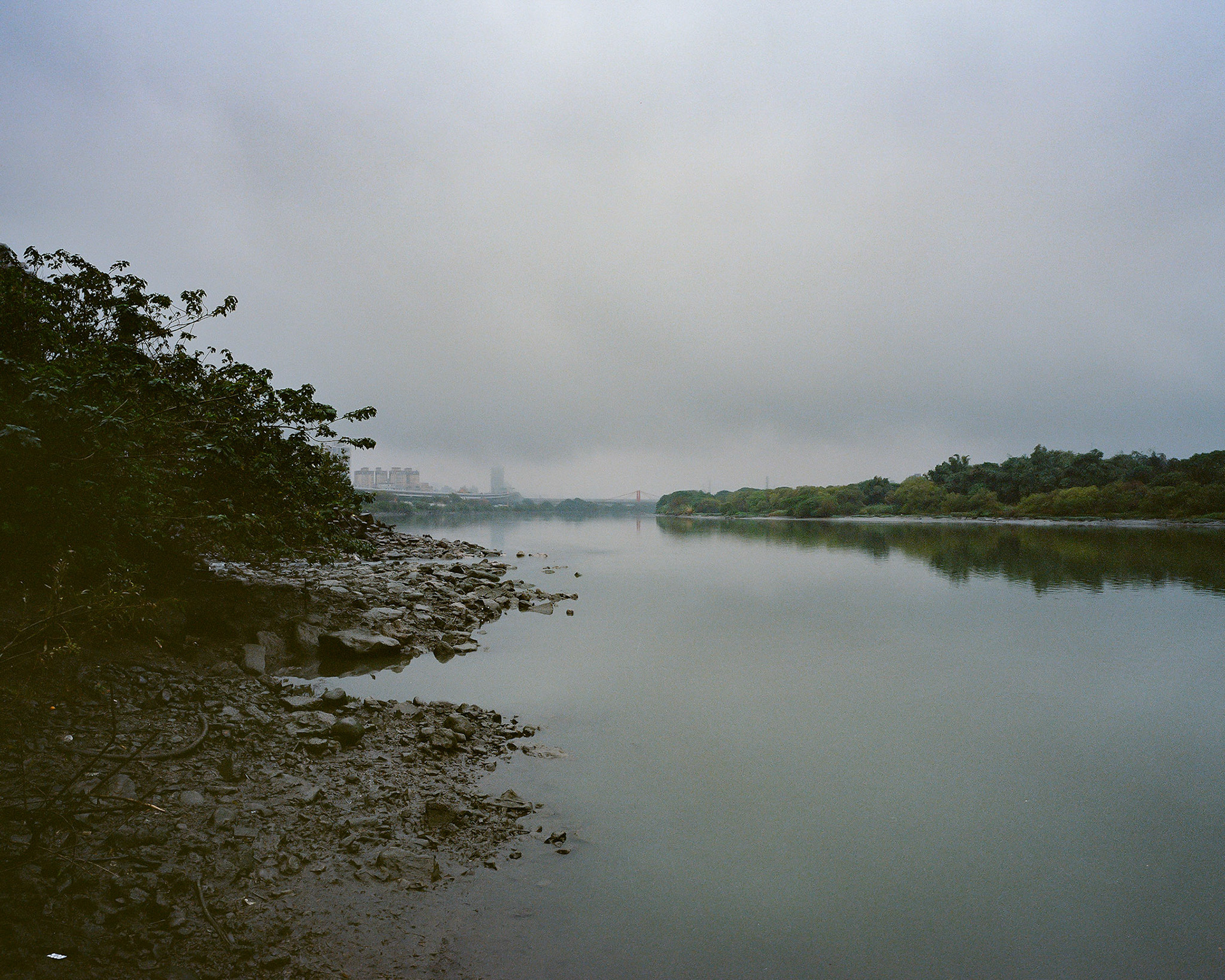
This series begins at the Xindian River in New Taipei City. Through repeated walks along the riverbank at different hours, I photograph the shifting relationship between the river and those who live alongside it. In the haze of morning or under the fading light of dusk, people fish, run, skateboard, sit, smoke, and watch the water in silence.
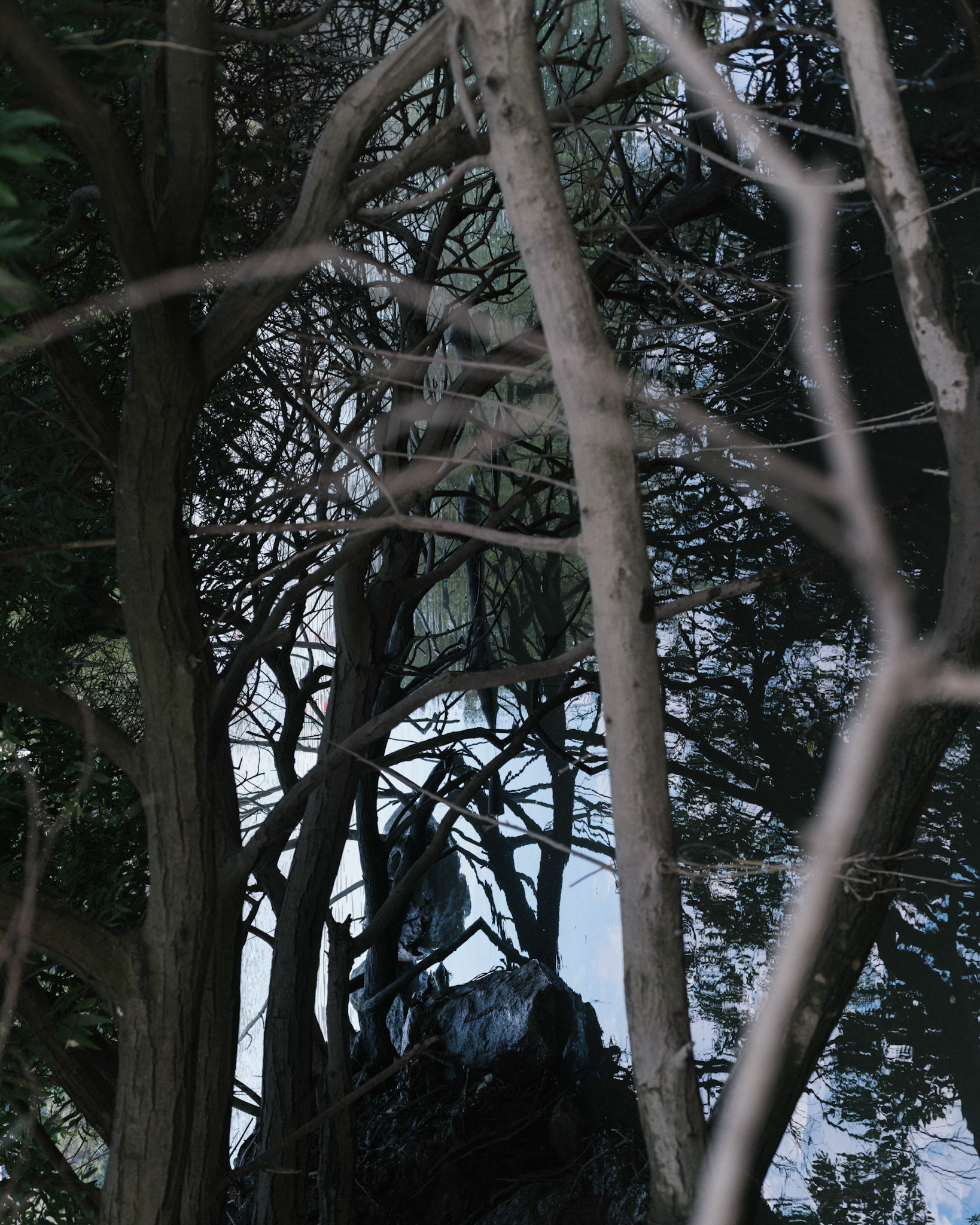
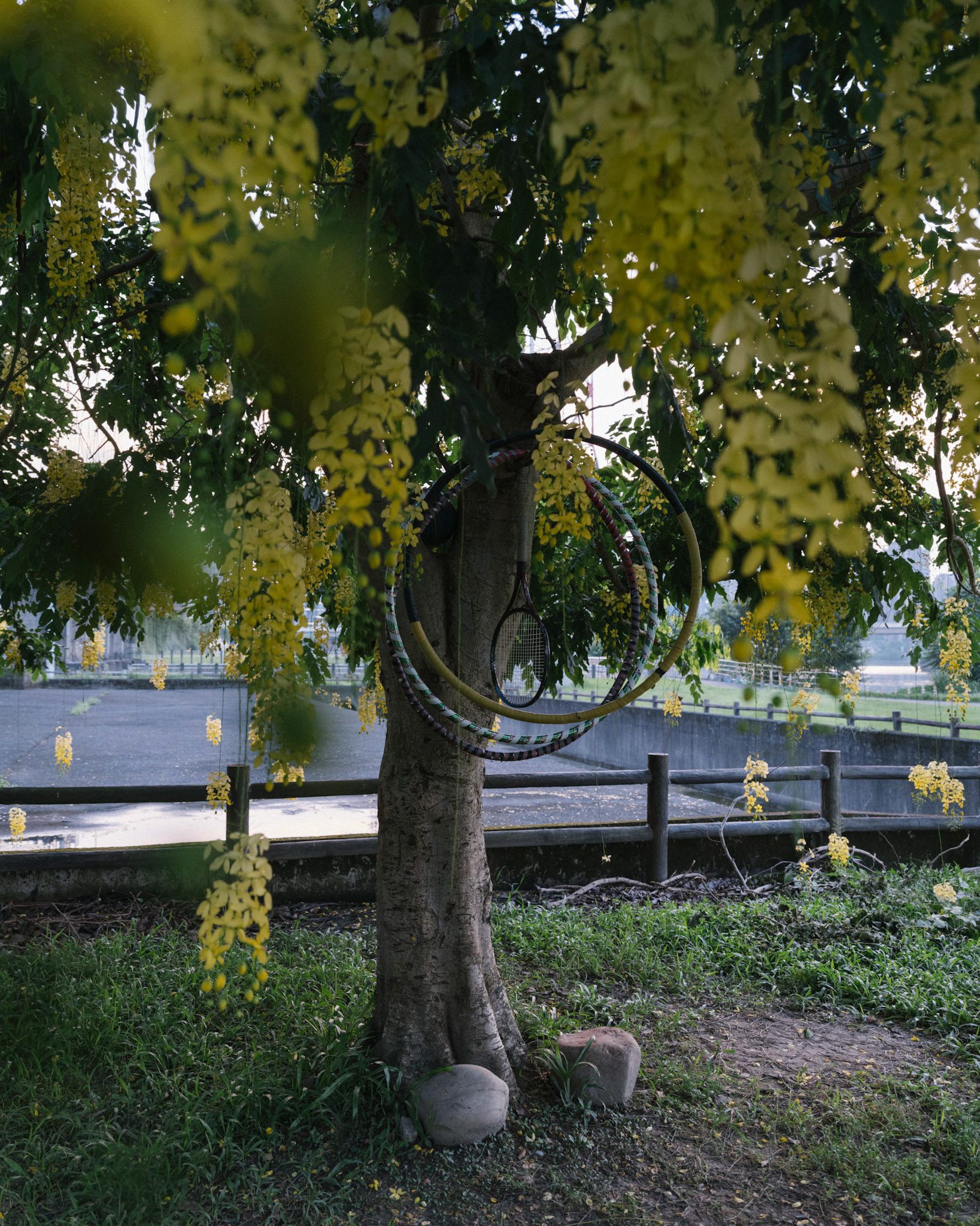
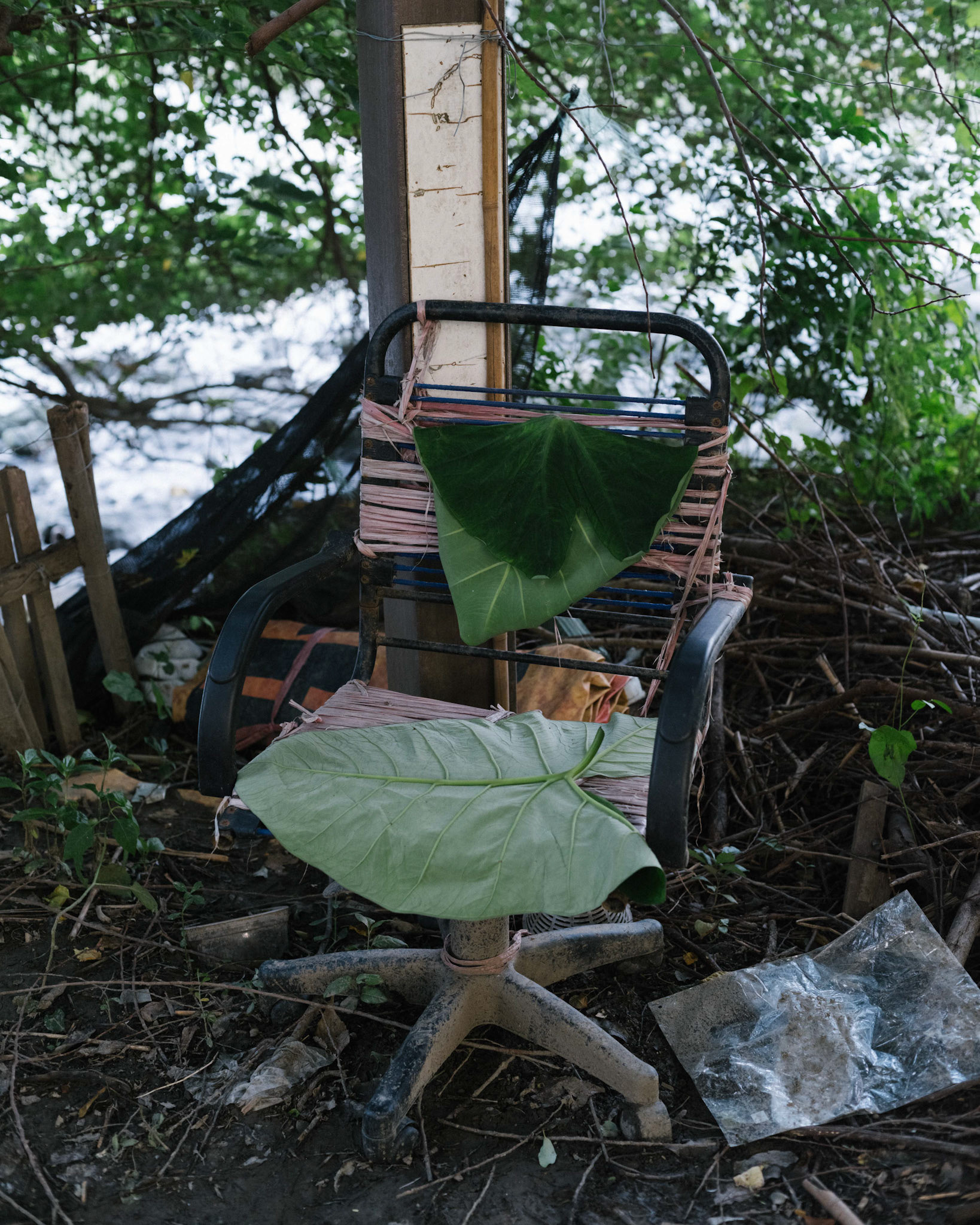
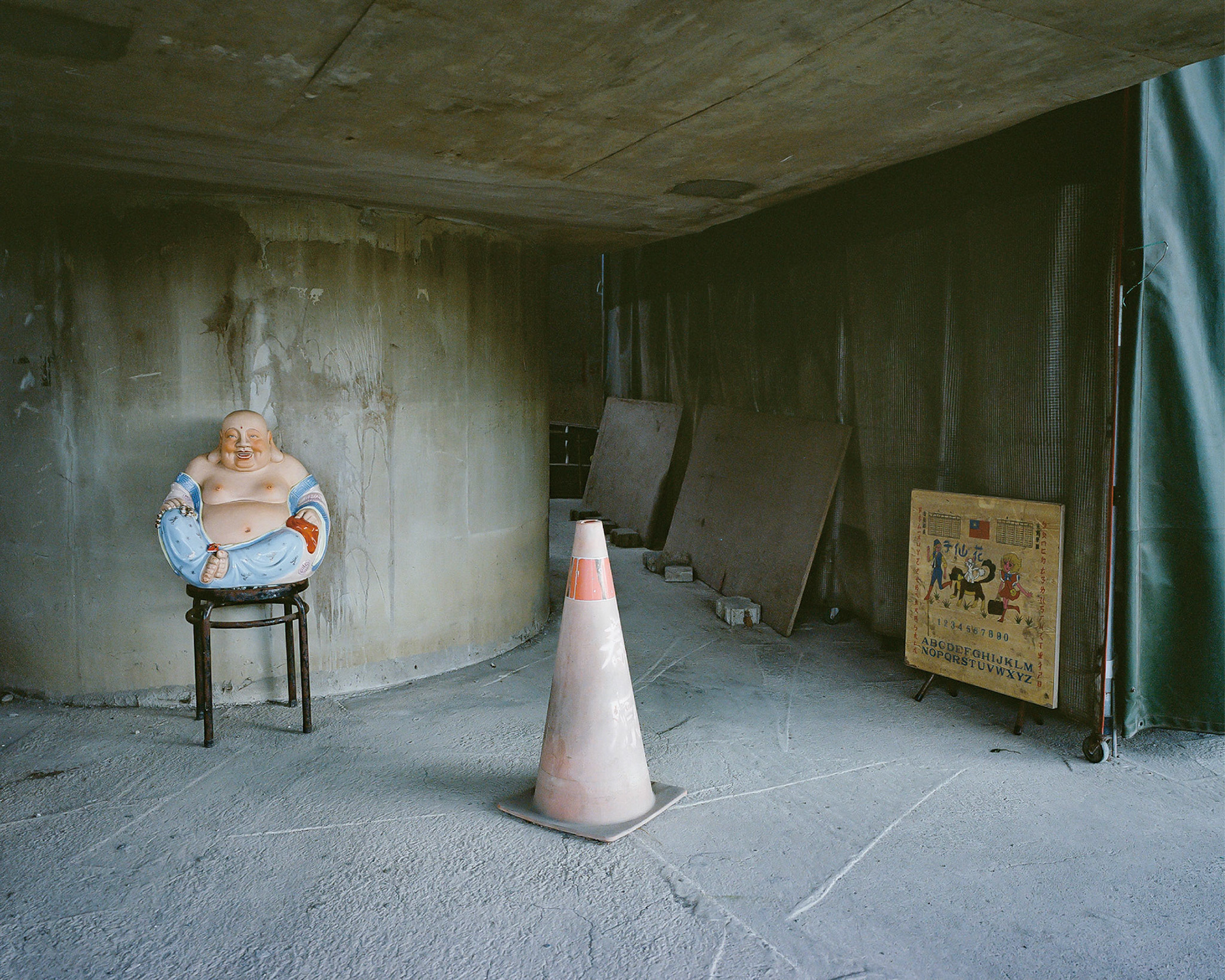
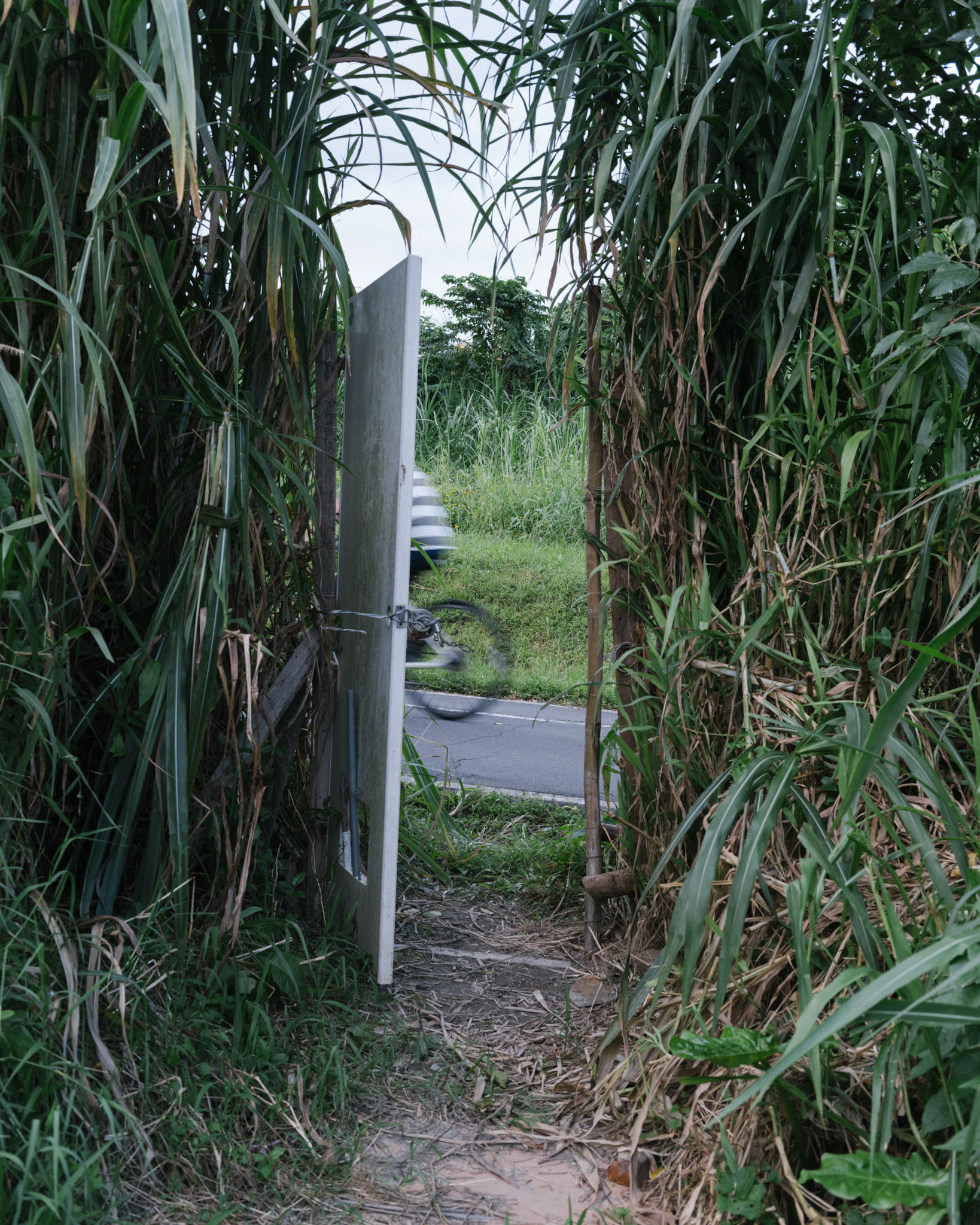
Their bodies trace out paths along the river’s edge—paths that remain even after they’re gone, like moisture in the air. To me, this site is more than a transition between nature and city; it’s a place where the body and the system, movement and control, continually intersect. At the edges of infrastructure lie gaps—between the natural and the artificial, between everyday life and regulated order. In these unnamed corners, I observe howpeople temporarily inhabit, negotiate, or resist the planned logics of the riverbank.
Where te River Meets the Sky is not only about a landscape, but about our attempt to find a place within it—where water, city, and human rhythms co-exist, however briefly.
在河流與天空之際
自古以來,人類沿著水路而居,依水而行。河流不僅滿足了人類對水的需求與依賴,更深刻形塑了生存空間中的地理配置與生活紋理。水體原有的自由流動,已被工程治理與資本邏輯所改寫,化作某種被集置的存在,覆蓋於城市肌理的背後,漸漸淡出人們的記憶。
本攝影系列《在河流與天空之際》,以新北市「新店溪」作為書寫的起點。我沿著河岸反覆行走,在不同的時段以影像觀察這條河流與人們之間共存的流動關係:或許是霧氣瀰漫的清晨,或許是夕陽斜灑的黃昏;有人靜默垂釣,有人在急促的呼吸中奔跑、自由地溜著滑板,在各自的節奏裡重複勾勒著河流的邊界。當人群散去,氣味卻仍殘留在岸邊,像是未散卻帶著水氣的痕跡。對我來說,這裡不僅是自然與城市的過渡帶,更是人與制度交錯、身體與空間彼此纏繞的現場。
在自然與人工的交界之間,總留有些微的縫隙,讓治理與逃逸、日常與異托邦交錯浮現。面對這條被人所整治的河川,以及岸線被開發與景觀化的狀況,我試圖在那些尚未被命名的角落,捕捉人與河流共處的樣態,同時尋回自身觀看與行走的位置。